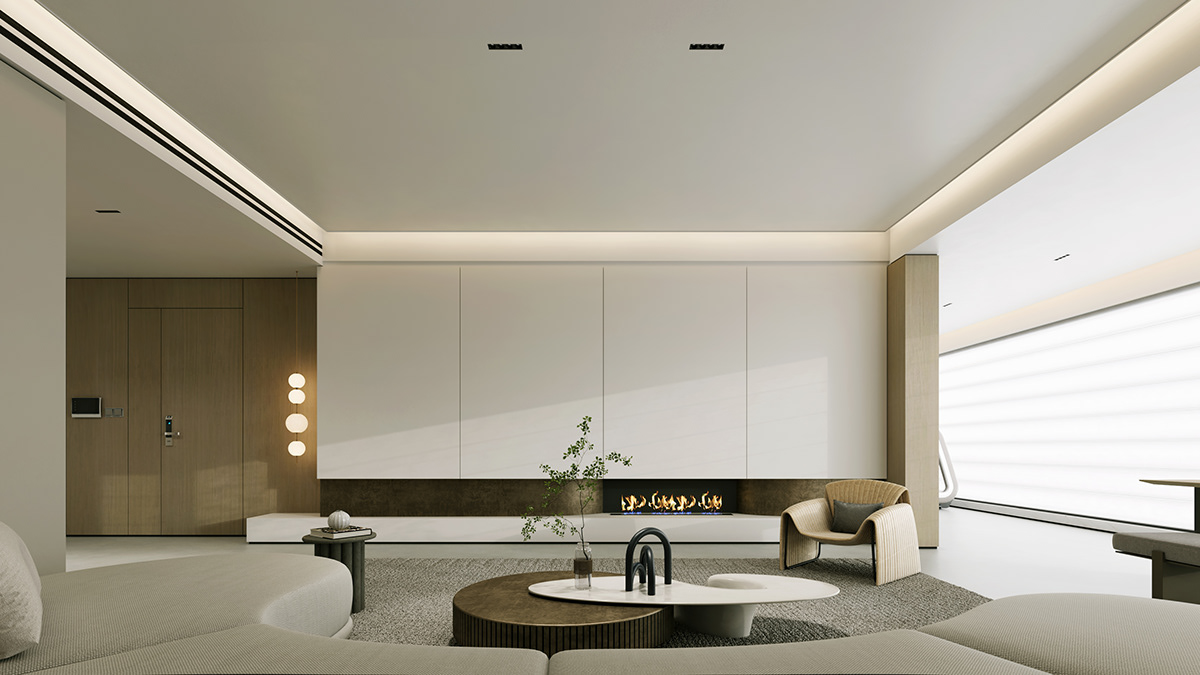
Minimalism isn't about having less—it's about making room for more of what matters. Creating a minimalist home means curating a space that's both functional and beautiful, where every piece serves a purpose and brings you joy.
The minimalist movement has transformed how we think about our living spaces. By embracing "less is more," we create homes that feel spacious, calming, and intentionally designed. This approach not only reduces visual clutter but also promotes mental clarity and a sense of peace.
The Philosophy Behind Minimalist Design
Minimalist design is rooted in several key principles that guide every decision:
- Functionality first: Every item should have a clear purpose
- Quality over quantity: Invest in fewer, better-made pieces
- Clean lines and simple forms: Avoid ornate or overly decorative elements
- Neutral color palettes: Focus on whites, grays, and natural tones
- Thoughtful negative space: Empty space is as important as furnished areas
Essential Furniture for a Minimalist Home
Living Room Essentials
The living room sets the tone for your entire home. Start with these foundational pieces:

A well-designed minimalist living room focuses on a few high-quality, functional pieces.
The Perfect Sofa: Choose a clean-lined sofa in a neutral color like white, gray, or beige. Look for modular designs that can adapt to different spaces and needs. Avoid overstuffed or overly decorative styles.
Coffee Table: A simple rectangular or round coffee table with clean edges works best. Consider materials like glass, light wood, or metal. Some minimalists prefer nesting tables for versatility.
Storage Solutions: Hidden storage is crucial in minimalist design. Choose a media console with closed storage, or consider floating shelves for a truly clean look.
Curated Minimalist Furniture Collection


Bedroom Essentials
Your bedroom should be a sanctuary of calm and rest:
Platform Bed: Choose a low-profile platform bed without a headboard, or select a simple, geometric headboard. Natural wood or upholstered options work well.
Bedside Tables: Floating nightstands or simple side tables with minimal ornamentation. One on each side for symmetry, or just one for asymmetrical balance.
Wardrobe Solutions: Built-in closets are ideal, but if you need a wardrobe, choose one with clean lines and preferably closed storage to hide visual clutter.
Dining Area
Keep dining simple and functional:
Dining Table: A solid wood or glass table with simple legs. Round tables work well in smaller spaces, while rectangular tables suit larger areas.
Chairs: Match your chairs to your table's aesthetic. Consider chairs with clean lines in wood, metal, or upholstered in neutral tones.
Essential Decor Elements
Lighting Design
Lighting is crucial in minimalist spaces. Focus on:
- Natural light maximization through sheer or no window treatments
- Simple pendant lights or geometric chandeliers
- Table lamps with clean, architectural forms
- Hidden LED strips for ambient lighting
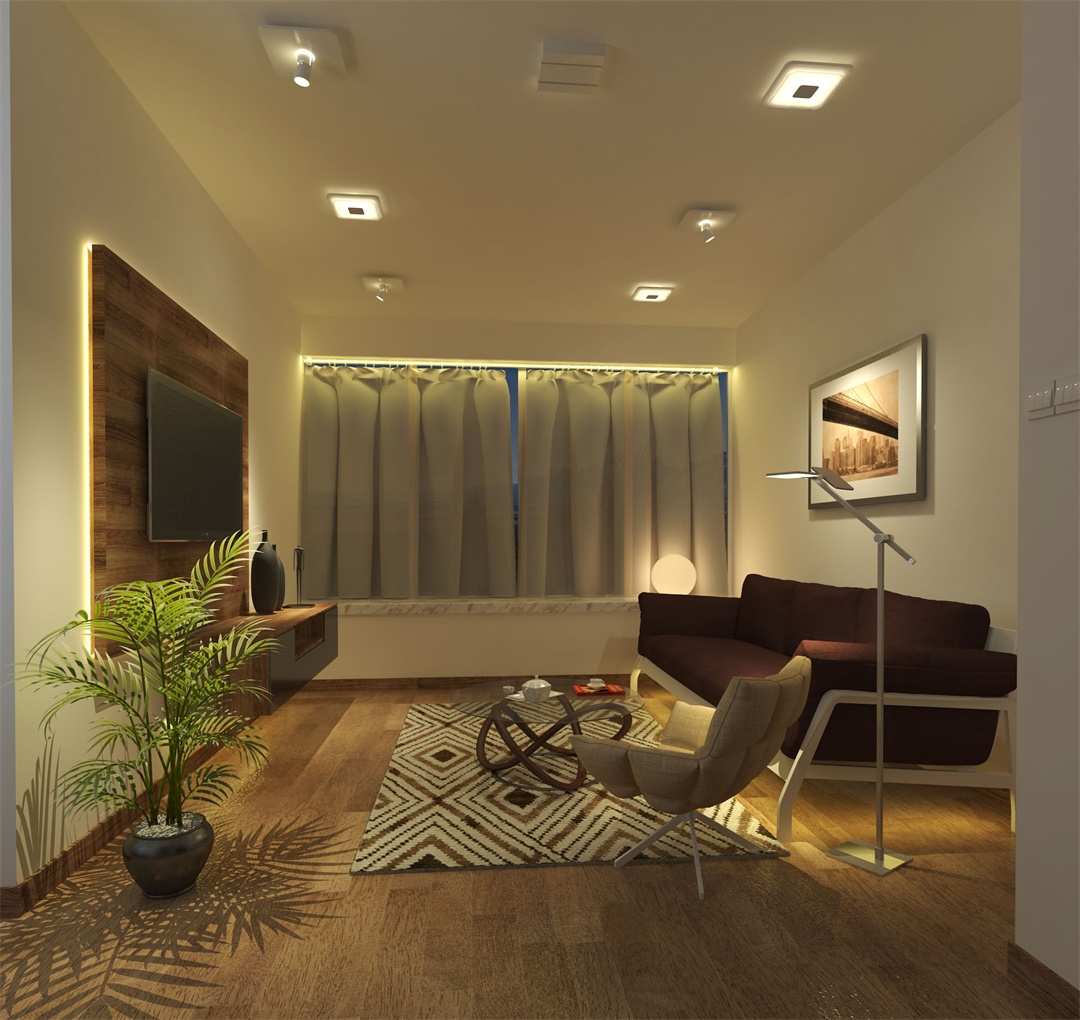
Strategic lighting enhances the clean, open feel of minimalist spaces.
Art and Wall Decor
Less is more when it comes to wall art:
- Choose one or two statement pieces rather than gallery walls
- Opt for abstract or geometric art in neutral tones
- Consider photography in black and white
- Leave plenty of empty wall space to let pieces breathe
Textiles and Soft Furnishings
Add warmth and texture without clutter:
- Choose one or two throw pillows in natural fabrics
- Add a single, high-quality throw blanket
- Select area rugs in neutral tones with simple patterns
- Use linen, cotton, or wool for natural texture
"The ability to simplify means to eliminate the unnecessary so that the necessary may speak." - Hans Hofmann
Color Schemes That Work
Minimalist color palettes focus on creating harmony and calm:
Classic White and Gray
The timeless combination of crisp whites with varying shades of gray creates depth while maintaining simplicity.
Warm Neutrals
Beiges, creams, and soft taupes add warmth while maintaining the minimalist aesthetic.
Monochromatic Schemes
Using different shades of the same color creates sophisticated depth without complexity.
Natural Wood Accents
Light oak, ash, or birch wood adds organic warmth to neutral schemes.
Room-by-Room Minimalist Guide
Kitchen
Keep countertops clear and invest in quality appliances with clean lines. Hidden storage and handleless cabinets maintain the streamlined look.
Bathroom
Focus on a few high-quality fixtures. Wall-mounted vanities and floating shelves maintain visual lightness.
Home Office
A simple desk, ergonomic chair, and minimal storage keep the workspace functional and distraction-free.
Ready to Transform Your Space?
Explore our carefully curated collection of minimalist furniture and decor pieces to create your perfect simplified home.
Browse Home CollectionMaintaining Your Minimalist Home
Creating a minimalist home is just the beginning. Maintaining it requires ongoing commitment:
- Regular decluttering: Schedule monthly reviews of your belongings
- One in, one out rule: When you bring something new home, remove something else
- Quality cleaning routine: With fewer items, you can maintain higher cleanliness standards
- Mindful purchasing: Consider each new item carefully before buying
Remember, minimalism is personal. What works for one person may not work for another. The goal is to create a space that feels right for your lifestyle while embracing the principles of simplicity, functionality, and intentional living.