Coffee has evolved from a simple morning ritual to an art form, a social catalyst, and a global industry worth over $100 billion. Today's coffee culture represents centuries of innovation, from ancient Ethiopian coffee ceremonies to modern third-wave artisanal brewing.
The journey from bean to cup has never been more sophisticated, with coffee enthusiasts pushing the boundaries of flavor, sustainability, and brewing techniques. This evolution reflects our growing appreciation for quality, craftsmanship, and the stories behind every cup.
The Historical Journey of Coffee
Coffee's story begins in the ancient highlands of Ethiopia, where legend tells of a goat herder named Kaldi discovering the energizing effects of coffee berries. From there, coffee spread through the Arabian Peninsula, becoming integral to Islamic culture and social life.
First Wave: Convenience and Mass Production
The first wave of coffee culture, spanning the late 1800s to 1960s, focused on convenience and accessibility. Instant coffee, vacuum packaging, and brands like Folgers dominated the market, bringing coffee to the masses but often sacrificing quality for shelf life.
Second Wave: Coffeehouse Culture
The second wave, led by companies like Starbucks in the 1960s-1990s, introduced Americans to espresso-based drinks, dark roasts, and the coffeehouse as a "third place" between home and work. This era emphasized the coffee experience and social aspect.
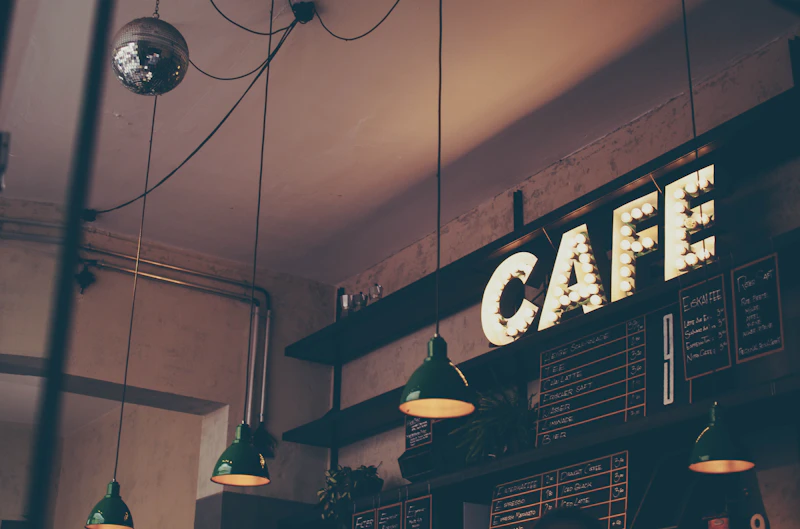
Modern coffee shops blend artisanal craftsmanship with social gathering spaces.
Third Wave: Coffee as Craft
Today's third wave treats coffee like fine wine, emphasizing origin, processing methods, and brewing techniques. Artisanal roasters, specialty cafes, and home brewing enthusiasts have elevated coffee to new heights of sophistication.
Understanding Coffee Origins and Terroir
Just like wine, coffee reflects its terroir—the environmental factors that influence flavor:
- Altitude: Higher altitudes produce denser beans with more complex flavors
- Climate: Temperature, rainfall, and humidity affect bean development
- Soil composition: Volcanic soil often produces exceptional coffee
- Processing method: Washed, natural, or honey processing creates different flavor profiles
Key Coffee Growing Regions
Ethiopia: Birthplace of coffee, known for bright, floral, and fruity notes
Colombia: Well-balanced cups with caramel sweetness and chocolate notes
Jamaica (Blue Mountain): Mild, smooth, and exceptionally well-balanced
Hawaii (Kona): Rich, smooth, with low acidity and nutty undertones
Essential Coffee Equipment for Home Brewing


Brewing Methods: From Traditional to Modern
Pour-Over Methods
Pour-over brewing gives complete control over extraction, allowing the subtle flavors of single-origin coffees to shine:
- V60: Conical dripper with spiral ridges for even extraction
- Chemex: Thick filters produce clean, bright cups
- Kalita Wave: Flat-bottom design for consistent brewing
Immersion Methods
These methods steep coffee grounds in water for fuller body and easier consistency:
- French Press: Full immersion with metal filter for bold, rich coffee
- AeroPress: Pressure brewing for clean, smooth cups
- Cold Brew: Long steeping in cold water for smooth, low-acid coffee
Espresso-Based Drinks
The foundation of café culture, espresso brewing requires precision and skill:
- Espresso: Concentrated shot extracted under pressure
- Cappuccino: Equal parts espresso, steamed milk, and foam
- Flat White: Double shot with microfoam for velvety texture
- Cortado: Equal parts espresso and warm milk
"Coffee is a language in itself. It brings people together, creates connections, and tells stories of the places where it grows." - World Champion Barista
The Art and Science of Roasting
Roasting transforms green coffee beans into the aromatic brown beans we know and love. This complex process involves hundreds of chemical reactions that develop flavors and aromas.
Roast Levels and Their Characteristics
Light Roast: Preserves origin characteristics, bright acidity, floral and fruity notes
Medium Roast: Balanced sweetness and acidity, caramel and chocolate notes
Dark Roast: Bold, smoky flavors, lower acidity, bitter-sweet chocolate notes

The roasting process is both art and science, requiring precise timing and temperature control.
Sustainable Coffee: Ethical Choices
Modern coffee culture increasingly emphasizes sustainability and ethical sourcing:
Fair Trade Certification
Ensures farmers receive fair compensation and work in safe conditions, promoting community development and environmental protection.
Direct Trade Relationships
Roasters work directly with farms, often paying premium prices for quality and building long-term partnerships.
Organic and Shade-Grown Coffee
Environmentally friendly farming methods that protect biodiversity and reduce chemical use.
Carbon-Neutral Roasting
Some roasters offset their carbon emissions through renewable energy and carbon credit programs.
Home Brewing: Perfecting Your Technique
The Golden Ratio
Start with a 1:15 to 1:17 coffee-to-water ratio (1 gram coffee to 15-17 grams water). Adjust based on your taste preferences.
Grind Size Matters
- Coarse: French press, cold brew
- Medium-coarse: Chemex, pour-over
- Medium: Drip coffee makers
- Fine: Espresso, AeroPress
- Extra fine: Turkish coffee
Water Quality and Temperature
Use filtered water heated to 195-205°F (90-96°C). Water quality significantly affects taste—aim for balanced mineral content.
Timing Your Brew
- Pour-over: 2-4 minutes total brew time
- French press: 4 minutes steeping
- Espresso: 25-30 seconds extraction
- Cold brew: 12-24 hours steeping
Discover Premium Coffee Equipment
Elevate your home brewing with our curated selection of professional-grade coffee equipment and specialty beans.
Shop Coffee CollectionCoffee Culture Around the World
Italy: Espresso Tradition
Quick espresso at the bar, never with milk after 11 AM, and always standing up for social interaction.
Japan: Precision and Ritual
Meticulous attention to detail, siphon brewing, and the concept of "omotenashi" (hospitality) in coffee service.
Australia: Flat White Innovation
Strong café culture emphasizing quality milk coffee and latte art expertise.
Ethiopia: Coffee Ceremony
Traditional three-round ceremony celebrating community, respect, and the spiritual aspects of coffee.
The Future of Coffee Culture
Coffee culture continues evolving with technology and changing consumer preferences:
- Alternative milk options: Oat, almond, and specialty plant milks
- Nitrogen coffee: Cold brew infused with nitrogen for creamy texture
- Smart brewing devices: App-controlled equipment for precision brewing
- Climate-resistant varieties: New coffee varieties adapted to climate change
- Lab-grown coffee: Cellular agriculture creating sustainable coffee alternatives
Today's coffee culture represents the perfect blend of tradition and innovation. Whether you're enjoying a simple morning cup or exploring complex single-origin profiles, coffee continues to bring people together while celebrating the craftsmanship and dedication of everyone in the supply chain from farm to cup.